
Strength, Mobility, Breathing, and Staying Injury-Free After 40
What if the best time to go to physical therapy… was before you got injured?
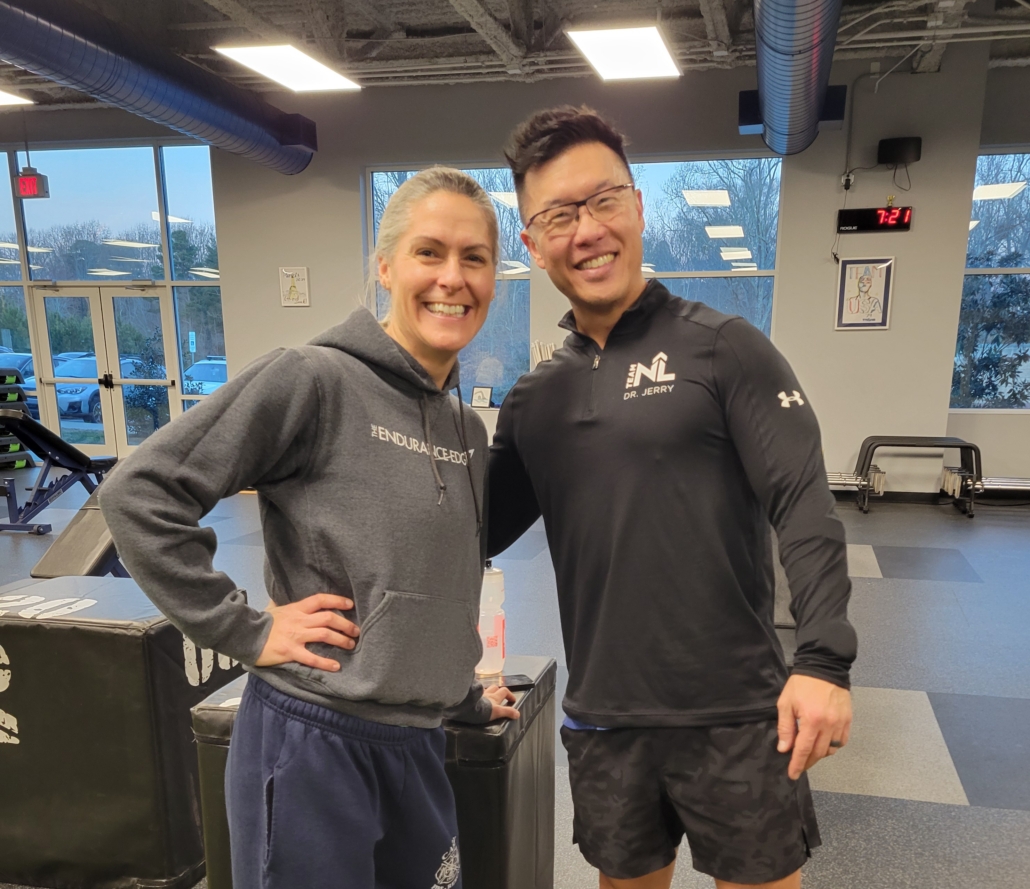
In this episode of the Find Your Edge podcast, Coach Chris Newport sits down with Dr. Jerry Yoo from Next Level Physical Therapy to talk about injury prevention, mobility, strength training, breathing, and what it really takes to stay active for life.
Meet Dr. Jerry Yoo: A Lifelong Athlete Who Overcame a Water Phobia
Jerry shares a powerful story: as a child, he and his brother were caught in a riptide and were rescued by two surfers—an experience that later led to a serious fear of water. Years later, he intentionally worked through that fear and eventually completed a triathlon, describing the deeper win as overcoming the phobia itself.
What Is HYROX (and Why Triathletes Are Doing It)?
Jerry is currently training for his first HYROX event—a standardized hybrid race that combines repeated running segments with functional stations (like rowing, SkiErg, farmers carries, lunges, burpees, and wall balls). He describes it as a “threshold” effort for much of the race, and notes that triathletes often do well because of the run fitness required.
Who Next Level Physio Helps Most
Next Level Physical Therapy specializes in lifelong athletes and runners over 40, along with subsets like pelvic floor concerns, college athletes, and high school athletes. Many people come in with:
- Chronic pain
- Recurring injuries
- Performance plateaus
- Mobility limitations
- A desire to stay injury-free as they age
Jerry emphasizes that the goal isn’t just to “get out of pain,” but to help athletes keep doing what they love for decades.
The Two Diagnoses in Physical Therapy: Symptoms vs Root Cause
One of the best lines from the episode: in PT there are often two diagnoses:
- The symptom (ex: plantar fasciitis, rotator cuff pain, back pain)
- The root cause (ex: gait deviation, mobility restriction, training error, lack of recovery)
The best outcomes happen when both are addressed—relief now, plus prevention long-term.
The Move–Excel–Inspire Method
Next Level Physio uses a 3-step system designed to move athletes from pain and limitation to long-term confidence:
1) Move
Reduce pain and restore function efficiently—often using regenerative modalities alongside movement work.
2) Excel
Strengthen, stabilize, and integrate corrective strategies into the athlete’s actual training plan.
3) Inspire
Test and retest for readiness so athletes return with confidence and a roadmap to stay healthy.
Jerry’s goal: within 3–6 visits, athletes should feel meaningful improvement (often 30–40% or more).
Regenerative Tools Mentioned: Shockwave + Needling + Blood Flow Restriction
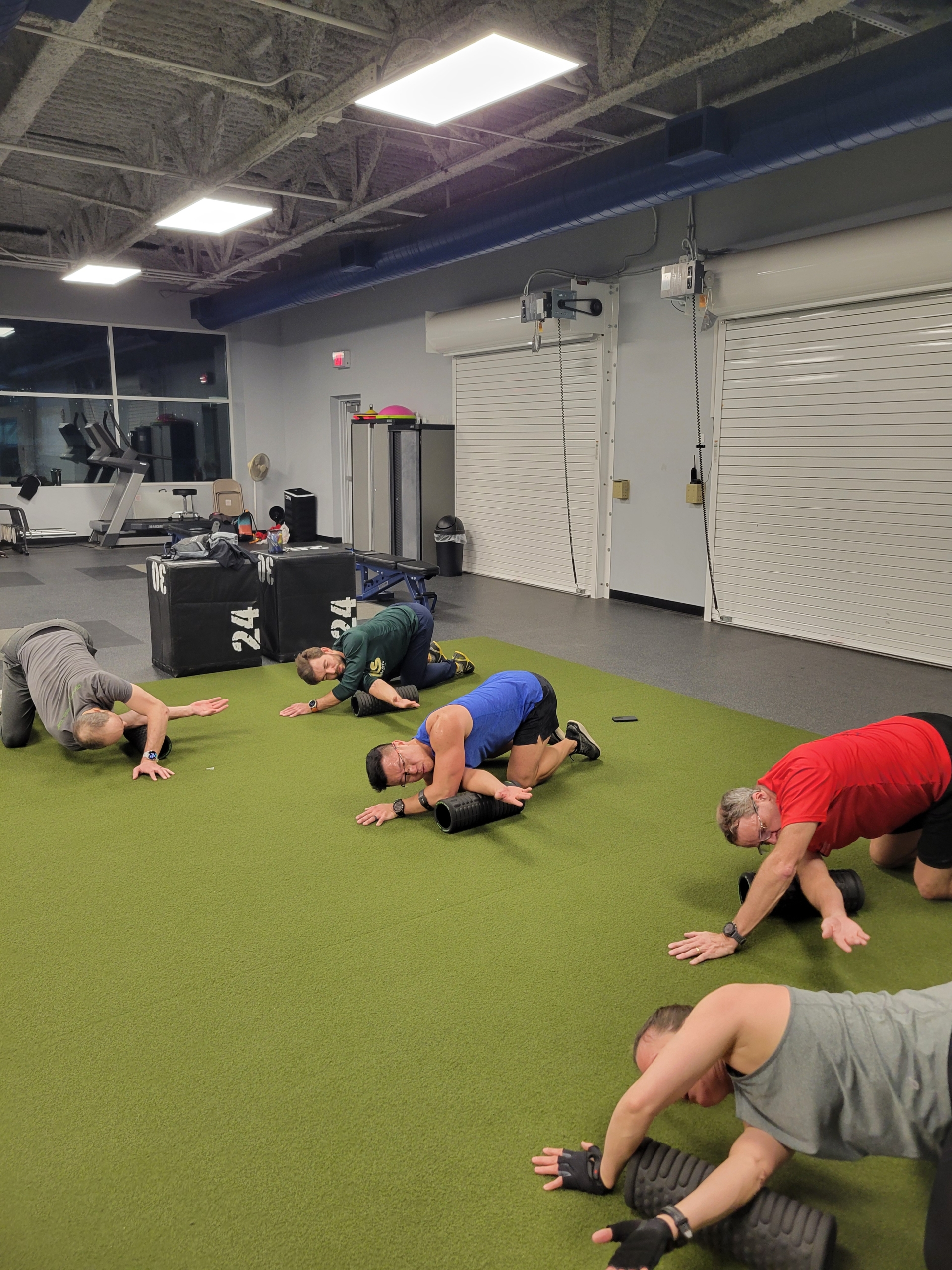
Jerry shares how Shockwave therapy has become a “game-changer,” especially for stubborn issues like plantar fasciitis and chronic tendon or muscle pain. He also discusses combining Shockwave with electro-dry needling and blood flow restriction in a regenerative approach—while still emphasizing that movement and root-cause work are essential so symptoms don’t simply return.
Athlete Maintenance: “Insurance” for Performance and Peace of Mind
Not everyone sees PT only when they’re injured. Jerry describes a high-performance membership where athletes come in monthly for reassessment and proactive programming updates—similar to “maintenance” models in nutrition and coaching.
The Biggest Mobility Loss After 40: Shoulders + Hips
Jerry notes two major trends he sees in athletes over 40:
- Loss of shoulder mobility
- Loss of hip/pelvic mobility
These limitations don’t just affect sport—they affect daily function (including simple tasks like reaching, dressing, and getting up from the toilet).
Breathing: The Underestimated Mobility Tool
One of the most practical takeaways: mobility often starts with breathing.
Jerry teaches 3D breathing (not just belly breathing) to create rib cage expansion in the front, back, and sides—helping support shoulder and pelvic mobility. He also emphasizes staying relaxed through the neck and shoulders while breathing.
A Fast Tool for Anxiety or Race Jitters: The “Stacked Inhale”
Jerry shares an Andrew Huberman-inspired technique: take a sharp inhale through the nose, then a second small inhale “on top,” followed by a long exhale. He notes it can rapidly bring heart rate down and calm the nervous system.
Warm-Up and Cool-Down: Non-Negotiables for Athletes Over 40
Jerry explains that many injuries he sees come down to insufficient warm-ups and poor transitions between intensity and rest. He personally needs 15–20 minutes to feel prepared, and suggests athletes treat warm-up as part of training—not an optional add-on.
He also highlights the importance of cooling down to help the body shift out of high intensity and recover well—along with post-workout nutrition (carbs + protein).
Strength Training: Essential for Endurance Performance and Longevity
Jerry calls out a common endurance-athlete trap: “I’ll strength train when I have time.”
Instead, he stresses strength must be part of the plan—progressively loading over time (not staying with the same light weights forever). He shares his own experience of gaining muscle in his 40s/50s and still hitting performance PRs later in life.
How to Contact Dr. Jerry Yoo / Next Level Physio
- Website: nlphysio.com
- Instagram: @drjerryYoo
- Instagram (clinic): @nextlevelphysiopt
- YouTube: Next Level Physio
Jerry notes Next Level Physio has locations in New Jersey and in the Cary/Raleigh area, and offers a free assessment for The Endurance Edge community as a way to give back.
Final Takeaways: Be Active and Amazing for Life
Jerry’s three part advice:
- Connect your training to a bigger purpose (family, independence, quality of life)
- Make strength + mobility part of your training (not optional)
- Support your training with sleep, nutrition, and stress management
Train for performance, yes—but also for health span. That’s how you stay active for decades.