
Welcome to your gut check and a dive into gut health—what it is, why it matters, and how it influences everything from your immune system to your mood and even chronic inflammation. And for athletes and active people like you, it can even keep you from doing the things you love!
In this podcast, Coach Chris and her dietetic intern from Meredith College (Amanda), explore two powerful frameworks—DIGIN and STAIN—and break down the essentials of the microbiome, digestion, immune function, and the gut-brain connection. Let’s get into it.
DIGIN: The Foundations of a Healthy Gut
We’re starting with DIGIN, an acronym that lays out the core pillars of gut health:
- Digestion & Absorption
- Intestinal Permeability
- Gut Microbiota/Dysbiosis
- Inflammation & Immune Function
- Nervous System
Digestion & Absorption
Digestion starts before food hits your stomach. The cephalic phase—smelling, chewing, and thinking about food—primes your digestive system. When digestion breaks down, it leads to maldigestion, often caused by:
- Imbalanced stomach acid
- Low bile or pancreatic enzymes
- Poor motility or absorption
Self-check tip if you’re experiencing symptoms: Try the baking soda water test. Delayed burp (3–5+ min): May suggest low stomach acid. Immediate burp: Could point to high acid. Normal (2–3 min): You’re likely in the clear
Even if digestion works, malabsorption can block nutrients from reaching your bloodstream, leading to deficiencies in key nutrients like vitamin B12, iron, or protein.
Intestinal Permeability (“Leaky Gut”)
Your gut lining should act like a security gate. When tight junctions open too wide, large molecules and toxins leak into your bloodstream—triggering inflammation, food sensitivities, and even autoimmune responses.
STAIN: What Sabotages Your Gut?
Here’s what can go wrong. The STAIN framework highlights five major disruptors of gut health:
- Stress
- Toxic Exposure
- Adverse Food Reactions
- Infections
- Nutritional Imbalances
These stressors promote dysbiosis, an imbalance in gut bacteria. Modern life—filled with processed foods, antibiotics, and chronic stress—lowers microbial diversity and impairs your gut lining.
Common signs of dysbiosis:
- Bloating, brain fog, fatigue
- Skin breakouts or eczema
- Joint pain and inflammation
- Mood swings, depression, or even anxiety
Pause and ask yourself: what’s one thing I do daily that either supports or stresses my gut?
Microbiome Masterclass
Your gut microbiome is mostly located in the large intestine, and it controls:
- Immune response
- Hormone regulation
- Production of short-chain fatty acids (SCFAs)
- Vitamin and nutrient synthesis
What to Feed Your Microbes
Fiber is king—especially prebiotic fiber and resistant starch:
- Green bananas
- Legumes and beans
- Whole grains
- Raw potatoes (yes, really!), or cooked then cooled potatoes
- Cooked and cooled rice
Probiotics (live bacteria) are found in:
- Yogurt
- Kefir
- Sauerkraut
- Kimchi
- Sourdough
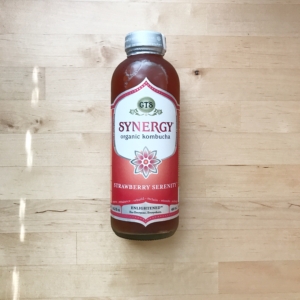
Remember: Probiotics seed. Prebiotics feed.
And don’t forget hydration—without enough water, digestion slows and toxins build up.
Inflammation & the Immune System
About 70% of your immune system lives in your gut. Chronic inflammation in the gut can ripple throughout your body, contributing to:
- Autoimmune conditions
- Chronic pain
- Depression and brain fog
Track gut inflammation using stool tests for calprotectin or lactoferrin. We provide this type of testing in our practice if you need support.
Heal Through Food
The Mediterranean diet is a proven anti-inflammatory approach:
- High in fiber, polyphenols (plant compounds), and healthy fats
- Low in sugar and ultra-processed foods
Foods like berries, olive oil, herbs, and dark chocolate feed your good microbes and reduce inflammation naturally.
The Gut-Brain Connection
Ever felt “butterflies” in your stomach? That’s your gut-brain axis at work. The vagus nerve is your main communication line, and you can strengthen it with:
- Deep breathing
- Humming or singing
- Acupuncture
- Fermented, polyphenol-rich foods
Gut imbalances can directly influence your mood, anxiety levels, and sleep patterns—so gut care is mental health care.
5R Framework: Your Gut Healing Game Plan
Ready to restore balance? Try the 5R approach:
- Remove – irritants, stressors, infections (gut testing and food sensitivity testing helps to identify potential irritants, imbalances and infections)
- Replace – enzymes, stomach acid support (ginger, bitters)
- Reinoculate – with probiotics (not just ANY, but the RIGHT ones) and prebiotics
- Repair – nutrients like glutamine, zinc, butyrate
- Rebalance – sleep, stress, lifestyle, connection
Personalized testing can help tailor your approach—there’s no one-size-fits-all fix.
Sync Your Lifestyle with Your Gut’s Clock
Your gut has its own circadian rhythm! To support it:
- Eat within a 10–12 hour window
- Avoid late-night meals (especially 2–3 hours before sleep)
- Prioritize quality sleep to allow your gut lining to repair
Weekly Gut Reset Challenge
Want to start simple? Here’s your 7-day gut reset:
- Add 1 fermented food daily (yogurt, kefir, kimchi, kombucha)
- Eat 25–30g of fiber per day
- Sleep 8 hours nightly
- Do one vagus nerve exercise daily (humming, breathing, cold water splash)
Then share your progress on social media or email a friend!
Still Having Gut Issues? Stop Guessing About What to Try Next
Eating more fiber, adding fermented foods, improving hydration, and paying attention to sleep and stress are all great places to start.
But what if you’re already trying to “eat healthy” and your gut still isn’t cooperating?
Maybe you’re dealing with bloating every afternoon. Your stomach seems fine during normal life, but falls apart on long runs or rides. Certain foods suddenly don’t sit well. You’re struggling with constipation, diarrhea, reflux, or unpredictable bathroom stops.
Or maybe you’re simply overwhelmed by all the advice about probiotics, elimination diets, digestive enzymes, supplements, food sensitivities, and gut testing, and you have no idea which of it actually applies to you.
That’s when it’s time to stop guessing.
Start With a 30-Minute Nutrition Quick Start Consult
You don’t necessarily need another supplement or a more restrictive diet.
You need to understand what may be contributing to your symptoms and what makes sense as your next step.
Our 30-minute Nutrition Quick Start Consult gives you dedicated time with a Registered Dietitian Nutritionist to talk through what’s happening, what you’ve already tried, and where you’re getting stuck.
We’ll help you identify your priorities and determine the most appropriate next steps for your nutrition and gut health—including whether more comprehensive nutrition support or specific testing may be useful.
This may be a good fit if you’re:
- Dealing with bloating, GI distress, or unpredictable digestion
- Having stomach problems during training or racing
- Wondering whether certain foods are contributing to your symptoms
- Confused about probiotics, fiber, supplements, or gut-health recommendations
- Trying lots of things without really knowing what’s helping
- Ready for personalized guidance instead of another generic list from the internet
You don’t have to overhaul your entire diet before you have answers.
Let’s look at what you’re experiencing, what you’re trying to accomplish, and help you determine a practical next step that makes sense for your body, your training, and your life.