
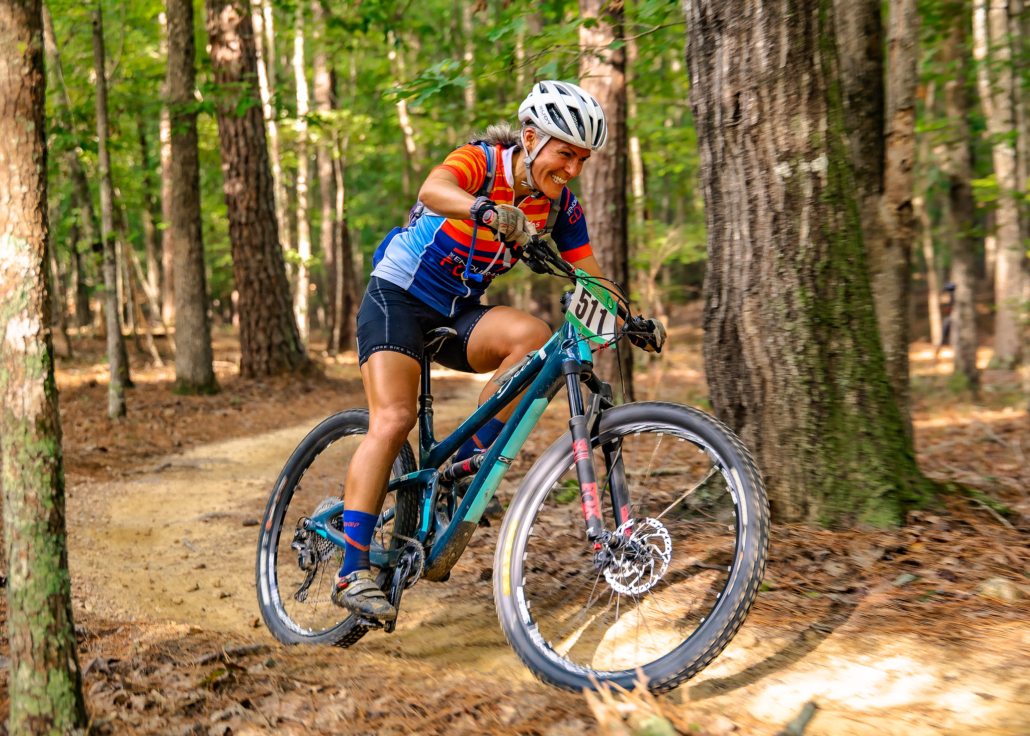
How Roadless Races Creates Trail Events Built Around Adventure & Community
Some people race for the PR.
Some people race for the medal.
Apparently, I race for the post-race pickles. 😆
But in all seriousness, one of the reasons I invited Roadless Races founder and race director Jim Harman onto the Find Your Edge Podcast was because I had such a fantastic experience at one of his races.
It was extremely well run, welcoming, and fun, the kind of race experience that reminds you that endurance sports don’t always have to be about chasing a number.
Sometimes, getting off the road, trying something different, and surrounding yourself with a great endurance community can be exactly what you need.
And Jim’s journey into race directing is almost as interesting as the events themselves.
What Is Roadless Races?
Roadless Races is the evolution of more than two decades of race-directing experience from Jim Harman, whose unexpected career in endurance events began in Northern Virginia in 1999.
Jim didn’t exactly sit down one day and decide, “I’m going to become a professional race director.”
He pretty much fell into it.
While interviewing for an adventure programs manager position at George Mason University’s Outdoor Education Center, Jim was asked what he would do if he got the job.
Along with wilderness, rock climbing, and paddling programs, he proposed creating an adventure race.
There was just one problem.
The person interviewing him asked:
“What’s an adventure race?”
Jim explained his idea for a team-based event combining navigation, trekking, mountain biking, paddling, and special obstacles.
She liked the idea.
He got the job.
And what started as an idea in a job interview eventually became a race-directing career spanning more than 25 years.
Adventure Racing Looked Very Different in 1999
When Jim entered the sport, adventure racing was still relatively new.
Many people associated it with big expedition-style events. Jim wanted to create something much more approachable: a one-day “sprint” adventure race.
That’s an important distinction for endurance athletes.
Adventure doesn’t necessarily have to mean an enormous, intimidating undertaking.
Sometimes it’s simply about stepping outside your normal routine and trying something that asks something different of you.
Why Trail Racing Can Be Good for Endurance Athletes
If your race calendar has started to feel like a constant cycle of finish times, pace goals, and PR attempts, a different type of event can change your perspective.
Trail and adventure-style races give athletes an opportunity to focus on the experience not just the numbers on a watch.
That can mean:
- Exploring new places
- Learning new skills
- Getting off your usual roads and routes
- Connecting with other endurance athletes
- Challenging yourself in a different way
- Remembering that racing is supposed to be fun
And yes, sometimes it means discovering particularly good post-race pickles.
A Great Race Is About More Than the Course
As a race director myself, I know how much work happens behind the scenes before an athlete ever reaches a starting line.
When an event is organized well, athletes may never notice most of those details.
That’s actually part of the point.
You want to be able to show up, understand where you’re going, feel supported, race hard, and enjoy the experience without worrying about everything happening behind the scenes.
That’s one of the things that stood out to me when I raced one of Jim’s events.
A well-run race gives athletes space to focus on what they’re there to do: race, explore, challenge themselves, and have fun.
Do You Have to Be an Experienced Trail Runner?
No matter what type of endurance event you’re considering, it’s easy to look around and assume everyone else knows exactly what they’re doing.
But every experienced athlete was a beginner once.
You don’t have to wait until you feel like a “real” trail runner, runner, cyclist, or triathlete to explore something new.
Start with an event that fits your current fitness and experience. Learn the course requirements. Prepare appropriately. Ask questions.
Then go have an adventure.
Why Community Matters in Endurance Sports
We talk a lot at The Endurance Edge about training smarter.
But staying active for life isn’t only about training zones, mileage, or race results.
Who you surround yourself with matters, too.
A supportive endurance community can give you people to train with, learn from, laugh with, travel with, and celebrate with.
And on those days when motivation isn’t exactly overflowing?
Knowing someone is waiting for you can make showing up a whole lot easier.
That’s one reason local races and endurance communities are so valuable. They turn an individual sport into a shared experience.
What Can Endurance Athletes Learn From Jim Harman?
Jim’s story is a great reminder that endurance sports don’t have to follow one predetermined path.
You can try something different.
You can get off the road.
You can choose an event because it sounds fun instead of because it fits perfectly into a performance spreadsheet.
And you can challenge yourself without turning every starting line into a test of your worth as an athlete.
Performance matters. But so does enjoying the process enough that you want to keep doing this for years to come.
Want More Community in Your Training?
If you’re tired of doing all your training alone or you’d simply like more supportive endurance athletes around you check out The Endurance Edge Group Training & Club.
It’s designed to help athletes connect, train, learn, and have more fun doing the sports they love.
Because finding your edge doesn’t mean you have to do everything by yourself.
Learn more about The Endurance Edge Group Training & Club →
Frequently Asked Questions
Who is Jim Harman?
Jim Harman is an experienced race director whose career in endurance events began in Northern Virginia in 1999 after he proposed creating an adventure race while interviewing for a position at George Mason University’s Outdoor Education Center.
What is adventure racing?
Adventure races can combine multiple outdoor disciplines. Jim’s original concept included navigation, trekking, mountain biking, paddling, and special obstacles in a team-oriented event.
Why should road runners or triathletes try trail racing?
A different type of event can provide a new challenge and a chance to focus less on pace and more on exploration, skills, community, and the overall experience.
Do I need to be an elite athlete to try a different kind of race?
No. Choose an event appropriate for your current experience and fitness, understand the course and equipment requirements, and prepare accordingly. Everyone starts somewhere.
How can I find a community to train with?
Local running and triathlon clubs, group workouts, and local races can all be great ways to meet other endurance athletes. The Endurance Edge also offers group training and club opportunities for athletes who want coaching, connection, and community.
The Bottom Line
You don’t always need another race where the only goal is to go faster.
Sometimes you need an adventure.
Jim Harman’s journey from proposing his first adventure race in 1999 to building a career around endurance events is a reminder of what makes this community so special.
We get to challenge ourselves.
We get to explore.
We get to meet some pretty awesome people along the way.
And, if we’re lucky, there might even be pickles at the finish line. 🥒