
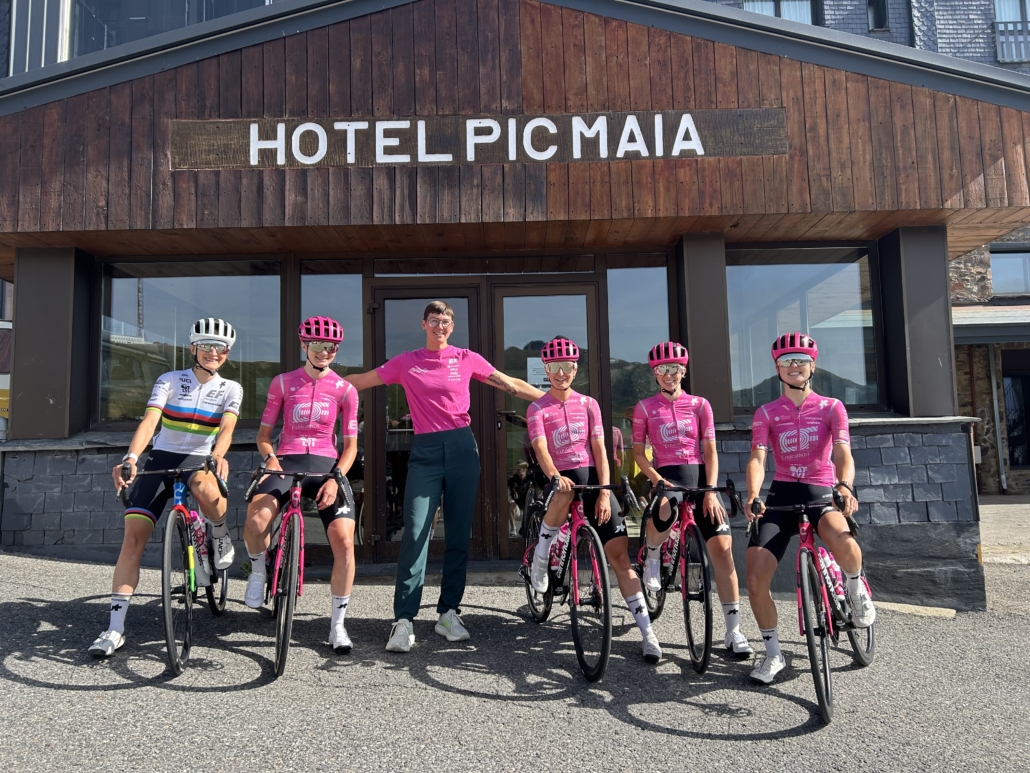
Inside Pro Cycling Nutrition With Kristen Arnold
You can have the training plan.
You can buy the fast bike, track your power, obsess over your splits, and know every number in TrainingPeaks.
But if you’re not giving your body what it needs to actually do the work?
You’re leaving an important part of performance on the table.
And nowhere is that more obvious than at the highest level of professional cycling.
On this episode of the Find Your Edge Podcast, I sat down with Kristen Arnold, MS, RDN, CSSD, a sports dietitian, former professional cyclist, former team director, and nutritionist working with EF Pro Cycling.
Kristen gave us a fascinating behind-the-scenes look at how nutrition is integrated into professional cycling—from morning hydration checks and chef-prepared meals to race-day feed zones, heat strategies, carbohydrate testing, and gut training.
But here’s what I really want you to hear:
You don’t have to be a professional cyclist to benefit from the big lesson behind all of this.
Great sports nutrition isn’t about blindly copying what a professional athlete eats.
It’s about figuring out what your body needs and building a strategy you can actually execute.
Why Nutrition Matters So Much in Professional Cycling
Professional road cycling places enormous demands on the body.
Riders may race long distances day after day during stage races, which means nutrition isn’t something that can be left to chance.
Kristen explained that nutrition has become an increasingly important part of cycling performance. Teams aren’t simply telling riders to “eat more carbs.”
Nutrition support can involve an entire system of professionals, protocols, chefs, testing, products, logistics, and individualized recommendations.
At Kristen’s team, six nutrition professionals work either part- or full-time across the organization.
That alone tells you something:
Fueling isn’t an afterthought. It’s part of the performance plan.

Sports dietitian Kristen Arnold discusses pro cycling nutrition and race-day fuel strategies.
Photo credit: Anouk Flesch
What Does a Sports Dietitian Actually Do at a Pro Cycling Race?
If you picture the team dietitian standing around handing riders gels, think again.
At the Giro d’Italia Women, Kristen described her role as helping execute a carefully coordinated nutrition system.
A typical day can include:
- Assessing riders’ hydration status in the morning
- Making hydration recommendations
- Coordinating with the team chef
- Making sure meals support the demands of the day’s racing
- Preparing and executing race nutrition protocols
- Adjusting strategies for heat and course conditions
- Helping coordinate bottles, gels, food, and feed-zone nutrition
- Supporting recovery so athletes can do it all again the next day
At Grand Tours, the team even travels with a chef and food truck so meals can be prepared specifically for the riders.
That might sound like luxury treatment—and Kristen joked that it certainly feels that way—but there’s a serious performance reason behind it.
When athletes are racing at an elite level day after day, getting nutrition right needs to be as easy and consistent as possible.
The Bigger Lesson: A Nutrition Plan Has to Work in Real Life
This may be one of my favorite lessons from the conversation.
You can create the most scientifically perfect fueling strategy on paper.
But as I told Kristen during our conversation, if the food doesn’t actually get into the athlete’s mouth, we have a problem.
Professional cycling makes this incredibly obvious.
During races, riders may receive musette bags containing bottles, nutrition products, and cooling supplies from staff stationed along the course.
But riders still have to grab that nutrition—sometimes while moving incredibly fast in a tightly packed peloton.
Kristen explained that feed-zone location and race conditions can sometimes make getting nutrition difficult or even unsafe.
Sound familiar?
You may not be grabbing a musette while riding in a World Tour peloton, but your nutrition plan still has to survive real life.
Can you open the package while riding?
Can you tolerate the drink when it’s hot?
Can you carry enough carbohydrates during your marathon?
Does your stomach tolerate your race breakfast?
Did you actually practice the strategy during training?
Nutrition isn’t just about knowing what you “should” do.
It’s about creating a system you can consistently execute.
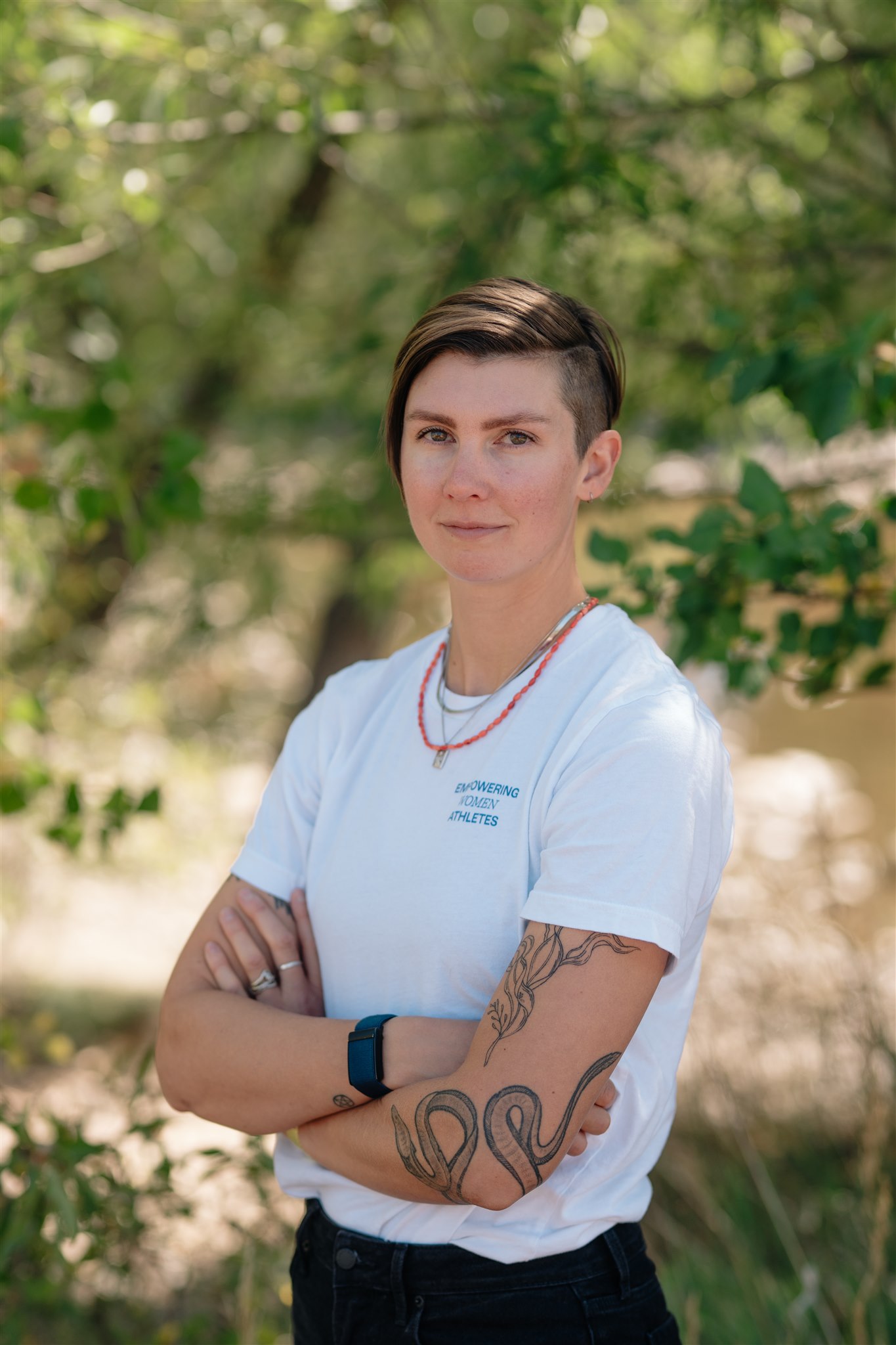
Kristen Arnold, board-certified sports dietitian specializing in pro cycling nutrition for elite endurance athletes.
How Much Carbohydrate Can an Athlete Actually Use?
This is where our conversation got wonderfully nerdy.
Kristen’s team has incorporated performance testing that looks at how much of the carbohydrate athletes consume is actually being oxidized.
And the individual differences can be substantial.
Kristen described riders consuming very high amounts of carbohydrate during testing while showing dramatically different carbohydrate oxidation rates.
In other words:
What an athlete consumes and what that athlete can effectively use aren’t necessarily the same thing.
That matters because it’s tempting for everyday endurance athletes to hear what professional cyclists are consuming and immediately assume they should do the same.
Not so fast.
A professional cyclist’s fueling strategy reflects that athlete’s training load, intensity, goals, physiology, experience, gastrointestinal tolerance, and the demands of the event.
Your strategy should reflect yours.
Gut Training Is Training, Too
One of Kristen’s biggest practical takeaways was the importance of gut training.
If you’re planning to increase carbohydrate intake during a long ride, marathon, triathlon, or other endurance event, don’t wait until race morning to find out whether your digestive system can handle it.
Kristen explained that athletes can deliberately practice taking in larger amounts of carbohydrate during training so their gastrointestinal system becomes accustomed to the strategy.
At the professional level, riders may follow specific gut-training protocols before undergoing carbohydrate oxidation testing.
For the rest of us, the principle is much simpler:
- Practice your race fueling during training
- Increase intake strategically rather than making huge jumps
- Pay attention to gastrointestinal symptoms
- Test different products and delivery methods
- Practice under conditions similar to race day
- Don’t assume someone else’s carbohydrate target is automatically right for you
Your gut is part of your endurance training.
Heat Changes the Nutrition Strategy
Fueling doesn’t happen in a vacuum.
Temperature, course demands, race tactics, duration, and intensity all influence what athletes need.
Kristen described specific heat protocols used by the team, including cooling strategies such as slushies and ice socks, along with adjustments to what’s available to riders at feed zones.
The bigger takeaway for everyday athletes is important:
Your nutrition and hydration strategy should respond to the environment.
The plan you used successfully during a cool spring training ride may not be the right plan for a hot summer race.
That’s particularly important for athletes who experience cramping, GI distress, major changes in performance, or difficulty staying hydrated in the heat.
Performance Nutrition Is More Than Eating as Much as Possible
Cycling also has a complicated history with body weight.
Watts per kilogram matters in the sport, and Kristen didn’t pretend otherwise.
But one of the most encouraging parts of our conversation was hearing how her team approaches athlete health.
Kristen explained that they closely monitor physical health and mental health and will not simply pursue weight management at the expense of an athlete’s health, performance, relationship with food, bone health, or hormones.
That distinction matters for athletes at every level.
Being lighter isn’t automatically better.
Eating less isn’t automatically more disciplined.
And a nutrition strategy that damages your health isn’t a successful performance strategy.
Your goal is to support the body you’re asking to perform.
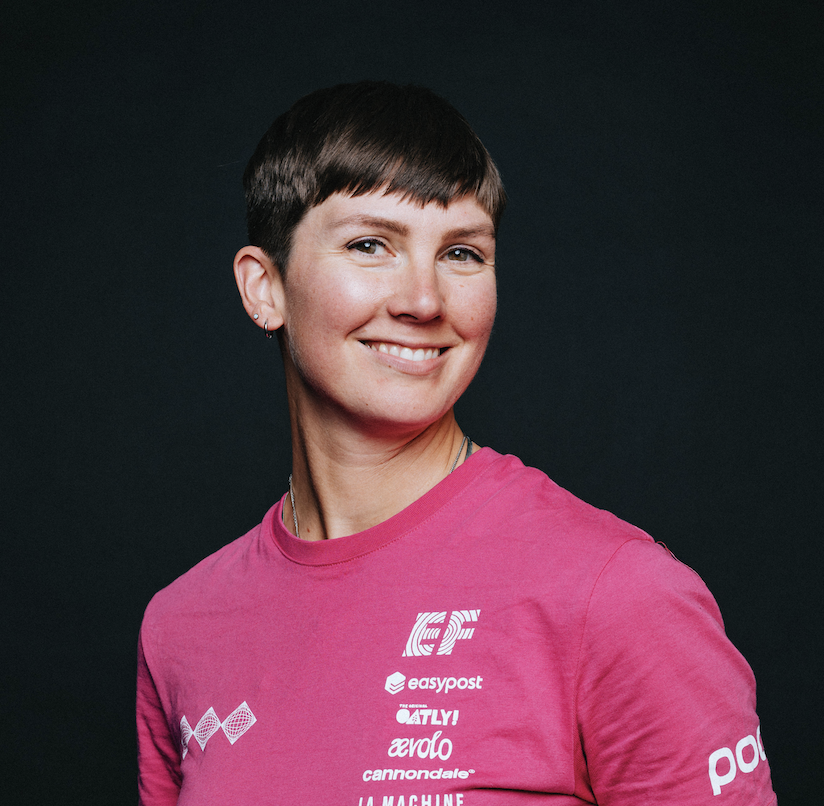
Sports dietitian Kristen Arnold, expert in pro cycling nutrition strategies for high-performance endurance athletes.
What Everyday Endurance Athletes Can Learn From Pro Cycling Nutrition
You probably don’t need six nutrition professionals, a traveling chef, a food truck, and someone standing on the side of the road holding your bottles.
Although…that would be pretty awesome.
But you can borrow the principles behind that level of support.
- Stop treating nutrition as an afterthought. Your fueling strategy should be part of your training plan.
- Individualize your plan. What works for your training partner, favorite professional cyclist, or random person on Instagram may not be right for you.
- Practice your fueling. Your gut needs training just like your muscles do.
- Plan for logistics. Know what you’ll eat, when you’ll eat it, how you’ll carry it, and whether you can actually consume it while moving.
- Adjust for conditions. Heat, duration, intensity, terrain, and race demands matter.
- Protect your health. Performance shouldn’t require sacrificing your physical or mental health.
- Get support when you’re stuck. More information isn’t always the answer. Sometimes you need someone who can help determine what actually applies to you.
Why Working With a Sports Dietitian Can Change the Game
There’s no shortage of endurance nutrition information online.
That’s actually part of the problem.
Should you eat 60 grams of carbohydrate per hour?
90?
More?
Which drink?
How much sodium?
What if your stomach revolts?
What if you’re trying to change body composition while training for a race?
The value of a great sports dietitian isn’t simply knowing another nutrition fact.
It’s having someone help you sort through the noise, understand your individual needs, and turn the science into a plan you can actually follow.
That’s true whether you’re racing the Giro d’Italia or training for your first 70.3.
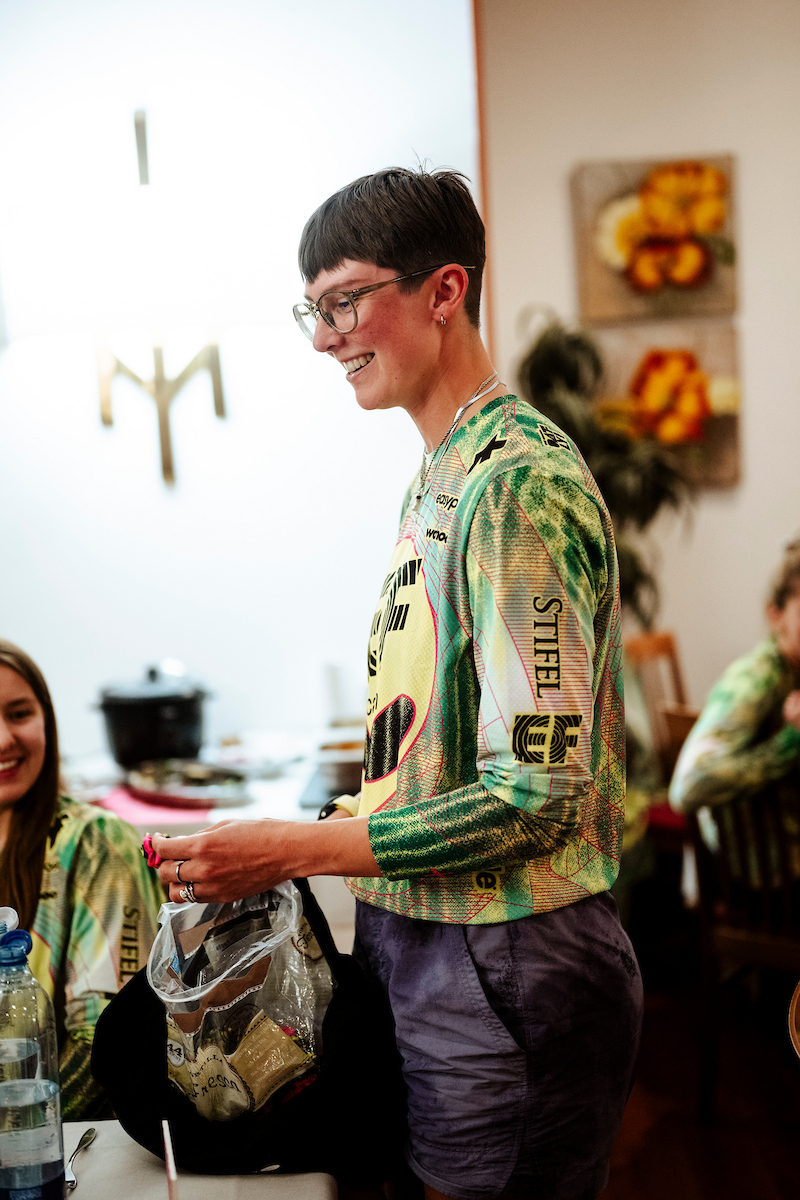
Dietitian Kristen Arnold managing pro cycling nutrition preparations behind the scenes during race week.
Photo credit: Anouk Flesch
Want to Stop Guessing About Your Sports Nutrition?
If you’re training consistently but still aren’t sure whether you’re eating enough, fueling your workouts appropriately, recovering well, or using the right race-day strategy, we can help.
The Registered Dietitian Nutritionists at The Endurance Edge help endurance athletes build personalized, evidence-based nutrition strategies around their bodies, training demands, goals, and real lives.
You don’t need a professional cycling team’s nutrition department.
But you deserve more than guessing.
Learn more about Sports Nutrition at The Endurance Edge.
Frequently Asked Questions About Cycling Nutrition
Why is nutrition so important for cyclists?
Cyclists need adequate energy, carbohydrates, fluids, and electrolytes to support training and racing. Longer and harder events increase those demands, while recovery nutrition becomes especially important when training or racing on consecutive days.
What does a sports dietitian do for professional cyclists?
A professional cycling nutritionist may help assess hydration, coordinate meals with chefs, create fueling protocols, plan race nutrition, adjust strategies for environmental conditions, monitor athlete health, coordinate with coaches and medical staff, and help individual athletes refine their nutrition strategies.
What is gut training for endurance athletes?
Gut training involves practicing your planned carbohydrate and fluid intake during exercise rather than introducing a large amount for the first time on race day. Kristen described using deliberate gut-training protocols with professional cyclists before carbohydrate oxidation testing.
Should amateur cyclists copy professional cyclists’ carbohydrate intake?
No. Kristen’s experience with carbohydrate oxidation testing highlights substantial differences between individual athletes. Your fueling strategy should reflect your exercise duration, intensity, goals, tolerance, training history, and individual needs rather than simply copying a professional athlete.
When should I work with a sports dietitian?
Consider getting professional help if you’re consistently struggling with low energy, bonking, GI problems, recovery, hydration, race-day fueling, body composition, or conflicting nutrition advice—or if you simply want confidence that your nutrition strategy matches your training goals.
Listen to the Full Find Your Edge Podcast Episode
Listen to my full conversation with Kristen Arnold for a fascinating behind-the-scenes look at professional cycling, nutrition, gut training, race logistics, women’s cycling, and what athletes at every level can learn from the pros.