
What Are We Training For? Performance, Longevity & Finding Joy in the Process
What Are We Training For?
Most endurance athletes can tell you what they’re training for.
A marathon.
A triathlon.
A faster time.
A longer distance.
But there’s another question we don’t ask nearly as often:
Why are we training in the first place?
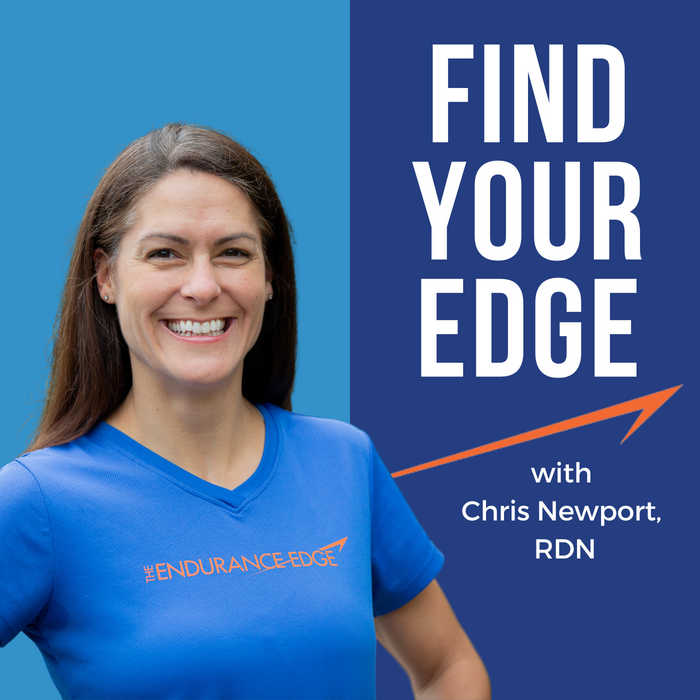
I recently had the opportunity to be on the other side of the microphone when Dr. Sarah Gordon invited me onto her PhD Journey Unplugged podcast.
And I’ll admit it was really fun to be the one answering the questions for a change. 😊
What started as a conversation about my path into coaching quickly became a much bigger discussion about performance, motivation, longevity and what it means to build a life around movement.
From performance to purpose
I knew I wanted to coach when I was about 15 years old.
Since then, my understanding of what good coaching and good health looks like has changed tremendously.
Yes, I still love helping an athlete become a better swimmer, ride stronger or cross a finish line they once thought was impossible.
But performance isn’t the whole picture.
Over time, the question becomes:
How do we help you perform while also building a body and life that allows you to keep doing this for decades?
Your training should work for you
One theme Sarah and I kept returning to was individuality.
Two athletes can be preparing for the same event and need very different approaches to training, nutrition and recovery.
That’s why comparing your training to someone else’s or assuming you’re not doing “enough” can send you down the wrong path.
The goal isn’t to follow the theoretically perfect plan.
It’s to understand what your body needs and build a plan you can execute consistently.
When training becomes something you’re “supposed” to do
There’s also an important difference between:
I want to train.
and
I’m supposed to train.
Sarah connected this to her work with self-determination theory and the psychological needs of autonomy, competence and relatedness.
And I see that play out with endurance athletes all the time.
An athlete may be perfectly capable of completing every workout on the schedule but if training has isolated them from friends, stopped being enjoyable and turned into another obligation, something is missing.
Community matters.
Joy matters.
And if you want endurance sports to remain part of your life for decades, those things matter just as much as watts, pace and finish times.
Performance and longevity don’t have to compete
This is also one of the ideas behind our Longevity Lab.
Our athletes are smart and curious. They want to understand their labs, genetics, metabolic health, nutrition, recovery and all the other data available to them.
But more data doesn’t automatically create more clarity.
Sometimes it creates more things to worry about.
Our goal is to help athletes understand which information actually matters for them, what they can act on, and what they can stop worrying about.
Because ultimately, I don’t want you spending your life managing health data.
I want you out there living it.
Keep life in your years
One of the athletes Sarah and I discussed was Natalie Grabow, who became the oldest woman to finish the IRONMAN World Championship at age 80 after not even starting triathlon until later in life.
What struck me when I interviewed Natalie wasn’t some complicated longevity routine.
It was her consistency.
Movement is simply part of her life.
And she enjoys it.
That’s something worth paying attention to.
So…what are you training for?
Maybe it’s your first triathlon.
Maybe it’s Ironman.
Maybe you want to get faster.
Or maybe you simply want to be able to swim, bike, run, hike, lift, travel and play for as long as possible.
There isn’t one right answer.
But it’s worth knowing your answer.
Because your training isn’t just preparing you for your next starting line.
It’s helping shape the life you’re able to live along the way.
🎧 Listen to the full conversation above.
This interview originally appeared on Dr. Sarah Gordon’s PhD Journey Unplugged podcast, Episode 162. After listening here, be sure to check out Sarah’s original episode.
Want to stop guessing about performance and healthy aging?
Our Longevity Lab brings together personalized nutrition, biomarkers, genetics, metabolic health and recovery so you can focus on the information that matters for your body and your goals.
FAQs
Can endurance athletes train for performance and longevity at the same time?
Yes. The conversation explores how individualized training, nutrition, recovery and sustainable habits can support current performance while also considering long-term health.
Why does individualized endurance training matter?
Athletes differ in experience, physiology, goals, schedules, health and motivation. Chris discusses why coaching should adapt to the athlete rather than forcing every athlete into the same approach.
Why is community important for endurance athletes?
Chris and Sarah discuss how isolation can reduce enjoyment and motivation, while social connection can help make endurance sports a sustainable part of an athlete’s life.
What is The Endurance Edge Longevity Lab?
The Longevity Lab brings together tools such as nutrition coaching, biomarkers, genetics and metabolic testing to help individuals identify which information is relevant to their performance and long-term health goals.
What does it mean to train for healthy aging?
Rather than focusing exclusively on lifespan or a single performance goal, the conversation frames healthy aging around maintaining the ability to move, participate in meaningful activities and enjoy life as you get older.